Asian Dating
The Complete Guide to Asian Dating
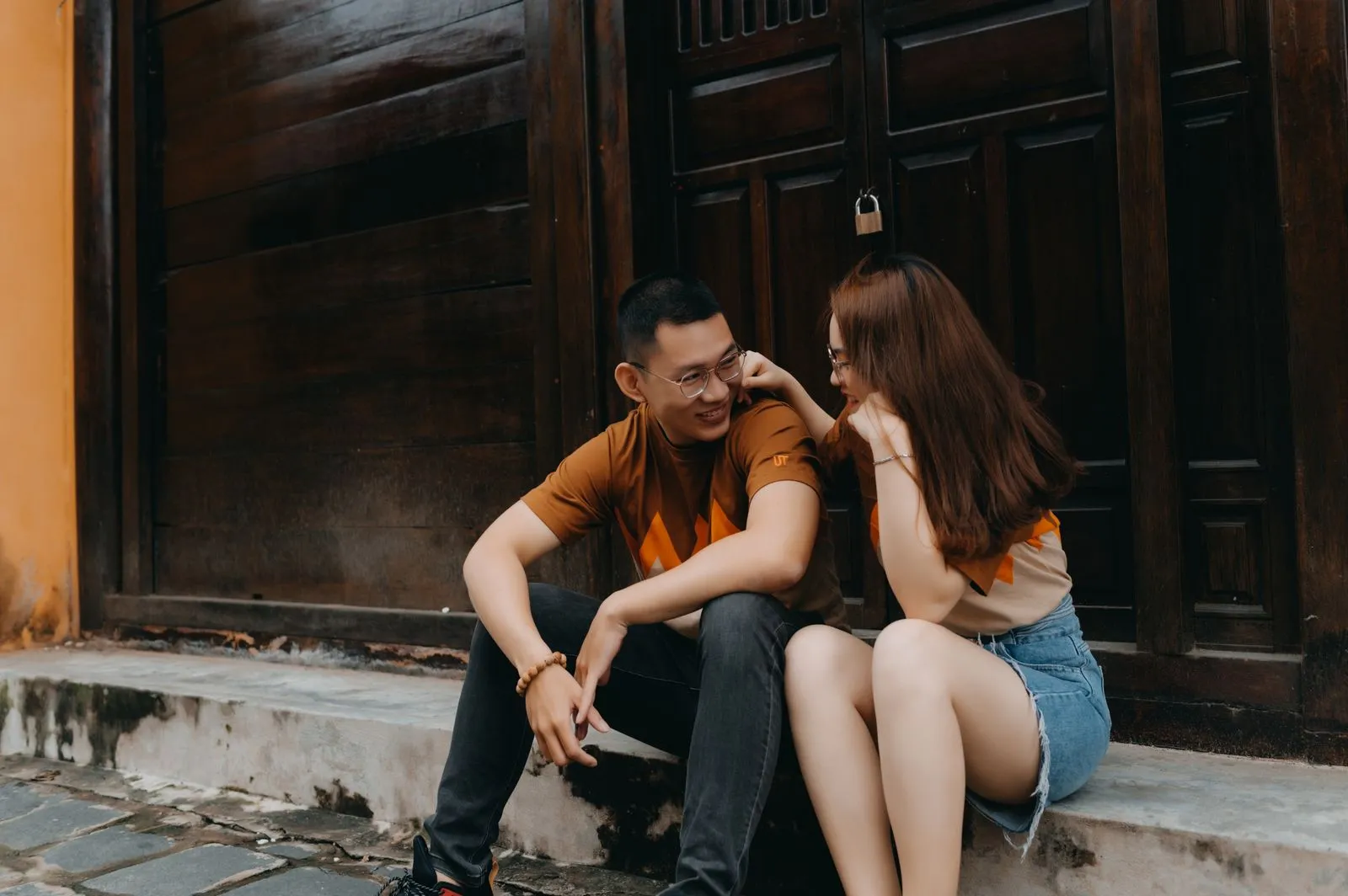
Dating within the Asian community can feel like coming home and stepping into the unknown at the same time. You might be looking for someone who gets the same family in-jokes you grew up with, or you might be drawn to a culture you’re only just discovering. Either way, there’s a lot to think about — your own background, your values, where you actually meet people, and how to be honest about what you’re looking for.
This guide is meant to be a warm, practical starting point. It won’t tell you there’s one “right” way to date as an Asian person, because there isn’t. “Asian” spans East, Southeast, and South Asia, plus generations of diaspora communities around the world. What follows is advice you can adapt to your own story.
What makes Asian dating meaningful
For a lot of people, dating within the Asian community is about shared shorthand. You don’t have to explain why your grandmother sends you home with three containers of food, or why a quiet text from a parent can carry a whole conversation underneath it. That shared context can make connection feel faster and deeper.
But it’s worth saying clearly: there is no single “Asian” experience. A second-generation Filipino American, a Korean student studying abroad, an Indian professional in London, and a Vietnamese local in Ho Chi Minh City may share a continent and very little else day to day. The meaningful part of dating isn’t assuming you already understand someone because of their background — it’s being curious enough to learn their specific story.
What tends to matter across many Asian families and communities are themes like respect, loyalty, an eye toward the long term, and the role of family in a relationship. Those aren’t rules; they’re starting points for conversation. The healthiest dating happens when two people figure out which of those values they actually share, rather than assuming they’re automatic.
Building a profile that tells your cultural story
Your profile is the first real conversation you’ll have, even before you message anyone. The goal isn’t to look impressive — it’s to sound like a specific, real person someone could picture spending a Sunday with.
Lead with details, not labels. “I love Korean food” tells me nothing; “I will drive 40 minutes for good sundubu and I’m still chasing the kimchi jjigae my mom makes” tells me who you are. Specifics give people something to reply to.
Let your background show up naturally where it’s genuinely part of your life. That might be the language you text your parents in, the festivals you actually celebrate, the temple or church you grew up in, or the fact that you’re third-generation and reconnecting with a culture you didn’t grow up speaking. All of these are real and worth saying. What matters is that it’s true to you, not a performance of “Asian-ness” for an audience.
A few practical things for photos and prompts:
- Use clear, recent photos where your face is visible, including at least one full smile.
- Show your life: cooking, hiking, a night out with friends, a trip home. Context invites questions.
- Skip group shots as your main photo — no one should have to guess which person you are.
- In your bio, name one or two things you’re looking for. Honesty filters in the right people and gently filters out the wrong ones.
If you want a deeper walkthrough on profiles and finding people, our piece on How to Meet Asian Singles Near You goes further into the practical side.
Where to meet Asian singles
There’s no single best place — most people who find a real connection are doing two or three of these at once.
Dating apps. This is the most direct route, especially if your day-to-day life doesn’t put you around many Asian singles. A focused Asian dating app like Krush exists precisely so you don’t have to filter through a sea of profiles to find people who share your context. If you’re weighing your options, it’s worth reading up on the best Asian dating apps before you commit your time to one.
Cultural organizations and community events. Lunar New Year festivals, Diwali celebrations, mid-autumn gatherings, cultural association mixers, and religious community events are full of people who already share part of your world. You’re not there to “pick up” anyone — you’re there to belong, and connection often follows.
University and campus life. If you’re a student or near a campus, Asian student associations, cultural clubs, and language exchange groups are some of the easiest, lowest-pressure places to meet people your age with overlapping interests.
Friends and family introductions. In many Asian communities this never went out of style, and there’s a reason. A friend who knows you both can vouch for character in a way no profile can. It’s okay to let people know, gently, that you’re open to being introduced.
Hobby and interest groups. Badminton leagues, K-pop dance classes, boba meetups, language meetups, food tours, hiking groups — shared activity removes the pressure of “this is a date” and lets connection build naturally.
Diaspora networks. If you’ve moved cities or countries, diaspora communities are often the fastest way to find both friends and dates who understand the particular experience of living between cultures.
If you want a structured way to compare products, start with how to choose an Asian dating app for a serious relationship and the evidence-based Asian dating app comparison. No ranking can guarantee your result; the useful question is whether the app’s community, profile context, location reach, safety tools, and cost fit the way you want to date.
First messages and conversation
A good first message is short, specific, and asks something. Reference one real detail from their profile — the dish they mentioned, the trip, the book — and ask a genuine question about it. “Hey” gives them nothing to work with. “Okay, settle a debate — is your mom’s recipe better with pork or all beef?” gives them a reason to reply.
Once you’re talking, aim for balance. Ask, listen, share something real back. The best early conversations feel like a rally, not an interview. And don’t let a good chat live on the app forever — if it’s flowing, suggest meeting (or a call, for long-distance) within a reasonable window. Momentum matters.
Navigating culture and family expectations
Family is often part of the picture in Asian dating, sometimes early. That can be a gift and a pressure at the same time. A few honest principles help:
Talk about expectations before they become conflicts. How important is your family’s approval to you? How traditional or non-traditional are you, really? You don’t have to agree on everything, but you should both know where the other stands.
Respect difference, even within “the same” culture. Two people who are both, say, Chinese may have completely different relationships with tradition, religion, language, and family obligation. Don’t assume — ask.
If you’re dating across cultures, lead with curiosity, not assumptions. Learn the customs that matter to your partner because you care about them, not to score points. And gently push back on anyone — including family — who treats your partner as a stereotype rather than a person.
Local vs. cross-border dating
Some people are looking for someone in their city. Others are open to — or specifically want — a connection across countries, whether that’s with someone in their family’s home country or simply someone who happens to live elsewhere.
Local dating moves faster and lets you build a life together in person sooner. Cross-border dating takes more patience, clearer communication, and real conversations about timelines, visits, and the future — but for many people, finding the right person is worth the distance. If that’s where you’re headed, our guide to international and cross-border dating covers how to make distance work without losing momentum.
There’s no superior choice here. The right approach is the one that fits the kind of life and partner you actually want.
Safety and verification
Meeting new people online calls for ordinary, sensible care. Keep early conversations on the app rather than rushing to share your number or socials. Meet first dates in public, tell a friend where you’re going, and arrange your own transport so you can leave whenever you want.
Trust your instincts: anyone who pressures you, rushes intimacy, asks for money, or repeatedly avoids reasonable trust steps is showing you something. Krush supports photo verification, reporting, blocking, community moderation, and AI-assisted moderation — useful layers that do not guarantee another person’s identity or behavior. Your own boundaries still matter.
Dating with intention
The thread running through all of this is intention. Know what you’re looking for, say it honestly, and treat the people you meet the way you’d want to be treated. You don’t have to have it all figured out — most of us don’t — but being clear with yourself makes you clearer to everyone else.
Be patient, stay kind, and don’t shrink yourself or your background to fit someone who can’t appreciate it. The right person won’t need you to.
If you’re ready to start meeting Asian singles who share your world, Krush is free to download on iOS and Android — built for exactly this. Come say hi.
Frequently asked questions
What is the best dating app for meeting Asian singles?
The right app depends on your goal, location, and the cultural context you want profiles to show. A community-focused app can put background, languages, and dating goals in the profile instead of leaving you to infer them. Compare the available local community, safety tools, costs, profile depth, and matching flow rather than relying on one universal “best” ranking.
How do I write a dating profile that reflects my cultural background?
Be specific rather than general. Name the dishes you actually cook, the languages you speak at home versus at work, and the parts of your heritage that shape your daily life. Specifics give someone an opening line; a profile that says "I love food and travel" gives them nothing to reply to.
Is it better to date within your own culture?
Neither is better, and the honest answer is that it depends on what you need to feel understood. Shared heritage can mean less explaining, especially around family and expectations. Cross-cultural relationships work well when both people are genuinely curious rather than just tolerant of the difference.
How do I talk to my family about who I am dating?
Start earlier and smaller than feels comfortable. Mentioning someone in passing before it becomes a formal announcement gives your family time to adjust, and it is easier than one high-stakes conversation. Being clear about what you have decided, rather than asking permission, usually leads to a calmer discussion.
Where can I meet Asian singles if I do not live near a large community?
Dating apps that support matching beyond your immediate area are the practical answer, alongside cultural events and student or professional associations in the nearest city. Being open to someone an hour away, or in another country, widens the pool considerably if your local one is small.
Does Asian dating include South Asian singles?
Yes. Asian dating can include people with East, Southeast, South, Central, and mixed Asian backgrounds, including diaspora communities. Individual apps may have different communities and availability, so review who the product is built for rather than inferring from its imagery. Shared Asian identity is only a starting point; language, faith, nationality, generation, caste, and family expectations can still differ greatly.
How do I get started on an Asian dating app?
Choose one aligned with your relationship goal and location, complete the profile with specific cultural and everyday details, and set realistic distance preferences. Review safety, privacy, and cost information before paying. Then use a two-week test: look for relevant profiles, mutual effort, respectful conversation, and realistic plans to meet rather than judging the app only by match count.